
Start with Location Fit and Usage Patterns
For schools, offices, and parks, consider foot traffic, peak demand, and whether users will approach from multiple directions. Measure the available space for commercial water cooler placement and remember to account for a clear path around the unit for refilling, wiping, and wheelchair access. This first step prevents buying a model that is technically powerful but awkward to use day after day.
Next, check how the drinking area is managed during busy periods. In high-traffic settings, you want controls that are easy to understand, surfaces that are easy to clean, and components that tolerate frequent contact. Think about noise and splash risk as well, especially near walkways or where children gather. A well-matched installation location reduces spills, improves user comfort, and supports consistent hydration without constant supervision.
Confirm Water Source, Drainage, and Serviceability
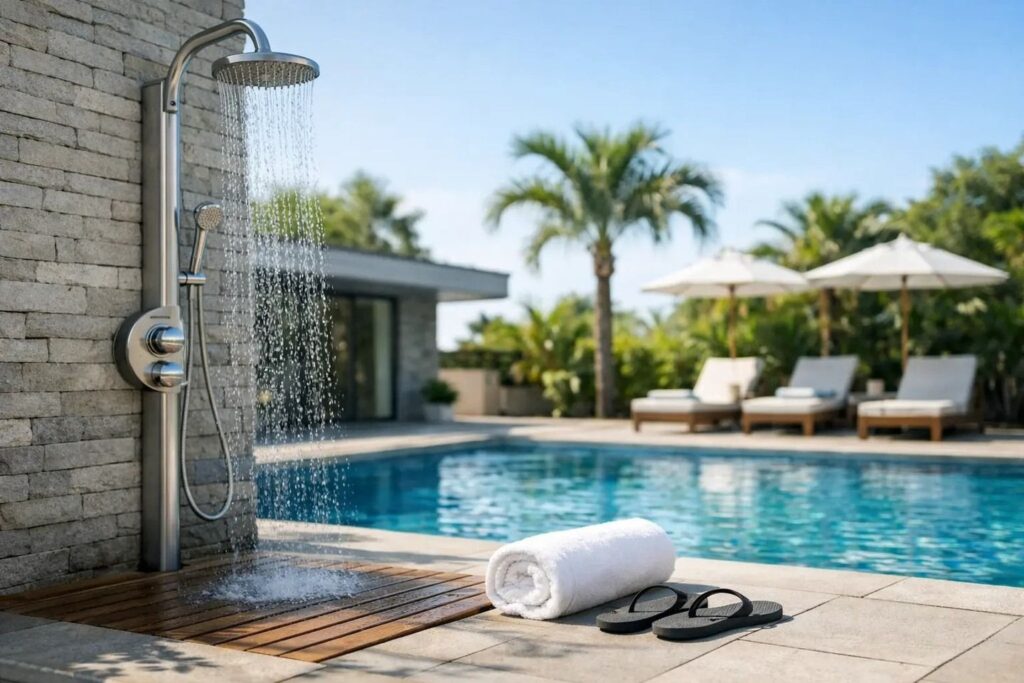
A solid checklist includes confirming how the unit connects to water and how it handles runoff. Verify whether your site uses direct plumbing or an alternative setup, and ensure the chosen model aligns with your available stainless steel outdoor shower connections. For busy public spaces, drainage and leak prevention matter as much as cooling performance. When the install supports easy access to lines and fittings, maintenance becomes faster and less disruptive.
Serviceability is a major difference between “installed and forgotten” and “reliable for years.” Look for access panels, straightforward internal components, and a design that allows routine inspections without dismantling half the unit. Coordinating placement also helps custodial staff maintain cleanliness and reduces the chance of missed upkeep in shared areas.
Evaluate Cooling Performance, Controls, and Hygiene
Cooling performance should be evaluated with real usage in mind, not just product claims. A good checklist asks whether the cooler can maintain temperature during repeated dispensing, especially when many people use it back-to-back. Consider how water is delivered—whether it involves touch-free actuation, splash-reducing spouts, or flow rates that minimize waiting. These details directly affect user satisfaction and help your hydration station run smoothly during peak periods.
Hygiene requirements should also be spelled out in advance. Choose designs that are easy to wipe down, with materials that resist corrosion and withstand routine sanitation. Pay attention to contact points where hands or cups meet the dispenser, and ensure those areas are accessible for cleaning.
Conclusion
When you plan for service access, hygiene needs, and high-traffic usage, your hydration station becomes a dependable part of daily operations rather than an ongoing problem. For durable hydration solutions backed by commercial quality, The Fountain Direct offers practical options for schools, offices, parks, and busy public spaces. Their catalog at thefountaindirect.com is designed to help you meet everyday hydration needs efficiently with free shipping and competitive pricing. Finally, remember that the best setup is the one your staff can maintain. Confirm installation readiness, document cleaning steps, and assign simple responsibilities for inspections so performance stays reliable. Whether you’re serving a community campus or a shared outdoor area, planning each detail upfront protects both user experience and long-term equipment performance. That is the approach The Fountain Direct supports for dependable hydration and smart, efficient water access.