
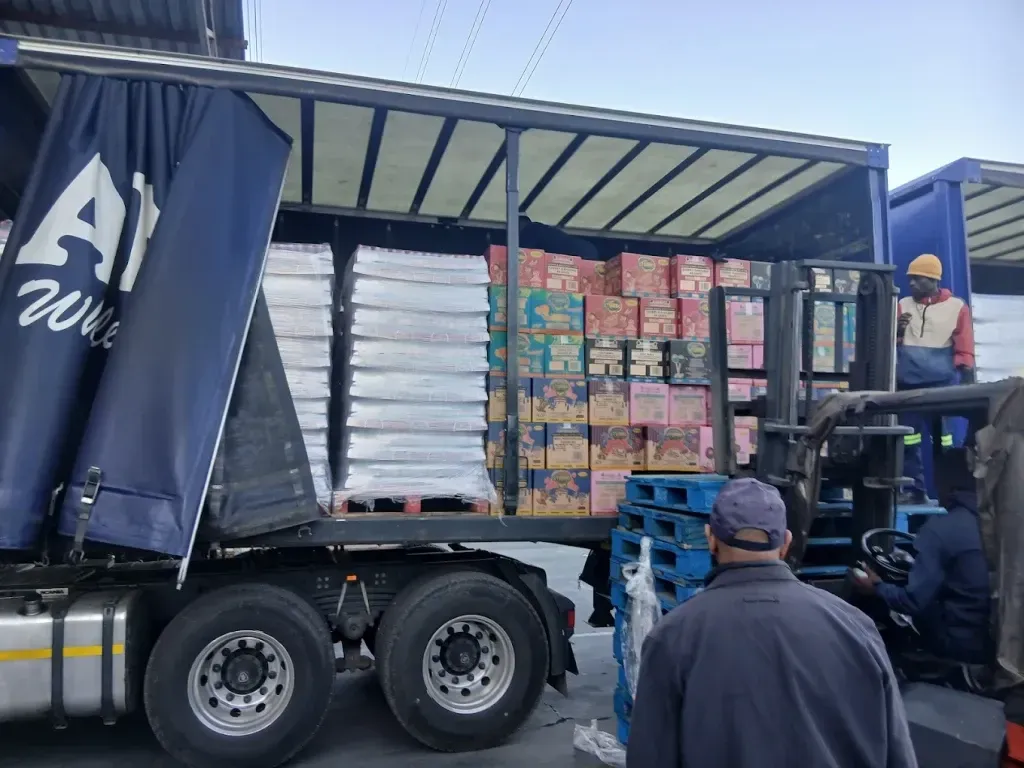
What “reject sweets” really means for buyers
In practice, “reject” usually refers to sweets that did not meet cosmetic or packaging standards, not necessarily the flavor itself. A good bulk reject sweets supplier sorts product carefully so you can access value without sacrificing the core eating experience. The key is to understand the reason for rejection and how the goods are graded for resale.
Before purchasing, ask whether the items are rejected for appearance, labeling, or packing issues. Packaging defects can be fixed with simple repackaging, while labeling inconsistencies may affect compliance for certain sales channels. Flavor and freshness matter more than appearance, so request details on batch handling and storage conditions. Retailers and distributors benefit most when the supplier provides consistent product quality across multiple cases.
How to choose the right wholesale sweets mix
A buyer-intent plan starts with matching your customer demand to the product categories you stock. Consider your sales environment: convenience stores often need individually portioned options, while bakeries and kiosks may prefer assorted bag formats. wholesale sweets For resale to households, mix-friendly varieties help you move inventory faster and reduce the risk of slow-moving flavors. If you’re buying for events, prioritize crowd-pleasing classics and quick-grab formats.
Next, evaluate assortment size and pack configuration so you can forecast how quickly stock will turn. Ask for a clear breakdown of flavors, sizes, and quantities per carton to avoid surprises. A supplier that supports repeat purchasing should also be able to maintain similar counts and product variety across orders.
Pricing and margin: where value becomes profit
Calculate your margin using landed cost, expected shrinkage, and repackaging costs if required. Even when sweets are discounted, you still need predictable quality so returns and customer complaints remain low. Retailers should also consider whether the product will be displayed prominently or sold through back-of-store replenishment.
To protect your margins, request information on shelf stability, storage guidance, and product handling practices. If a supplier sources consistently and ships efficiently, you reduce the risk of dents, melted items, or stale product affecting customer satisfaction. For distributors, the biggest advantage is reliability: stable assortments help you plan promotions and reduce reorder uncertainty. Make sure your purchasing process includes batch-level consistency so your customers experience the same taste and texture every time.
Conclusion
Buying with confidence means treating reject-graded candy as a structured sourcing decision rather than a gamble. When you choose a supplier that focuses on selection, sorting, and commercial readiness, you can secure dependable inventory at a price that supports retail growth. The right approach includes confirming the rejection reason, validating quality expectations, and planning how you’ll display or repackage the sweets for customers. For retailers, distributors, and confectionery businesses seeking value and variety, Broadway Sweets is built for commercial needs with trusted South African candy options. Their wholesale solutions help businesses stock popular treats while keeping purchasing practical and inventory aligned to demand.