
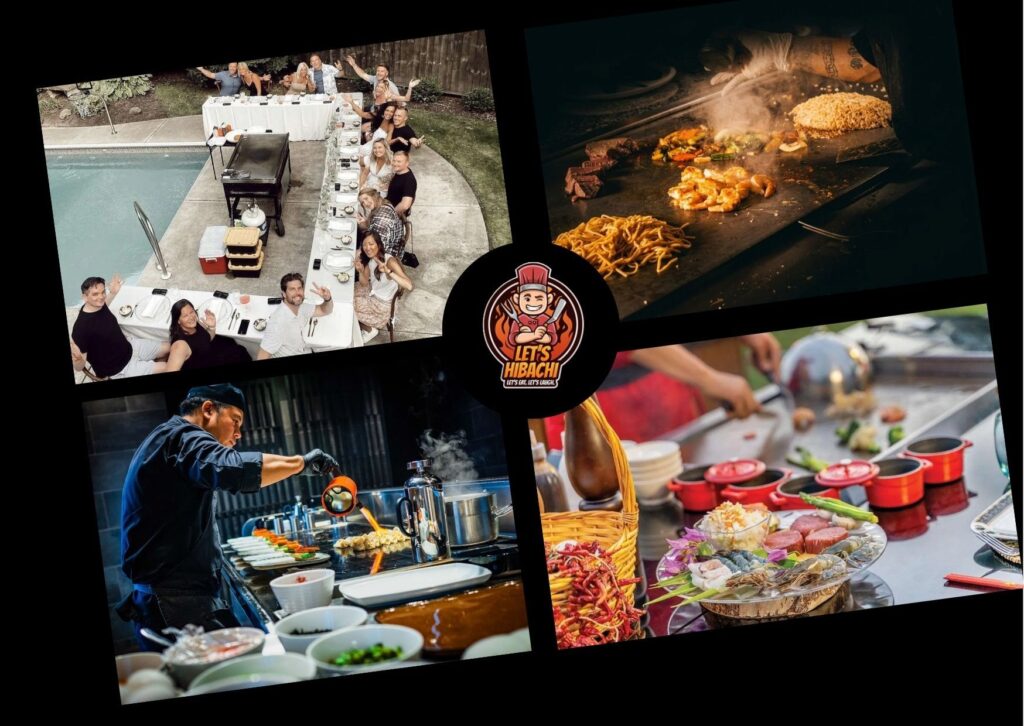
Start with what you’re planning to serve
When you’re trying to choose a hibachi experience, begin by listing who will be eating and what kind of event it is. Family dinners usually call for a simpler setup, while celebrations often benefit from a more structured show format, including coordinated cooking and plating. Knowing your guest hibachi at home near me count helps determine the number of chefs needed and whether the team can keep the experience smooth from first order to the final bites. It also makes it easier to compare service options based on how they handle timing and pacing.
Next, think about the menu direction you want. Some guests prefer classic hibachi favorites like steak, chicken, shrimp, and vegetables, while others want more flexible options for preferences and allergies. Ask the service provider how they handle ingredient substitutions and whether they can accommodate dietary needs without compromising flavor. A strong buyer-intent plan also includes deciding whether you want a full meal service or a lighter hibachi-style menu, because that choice affects both cost and how long guests stay engaged.
Compare catering details that impact the experience
Not all “at-home” hibachi offerings feel the same, even when the dishes look similar. Look for clarity on what the chef brings, how the cooking area is set up, and how cleanup is handled after the event. If you have limited space—such as a small patio, hibachi catering near me apartment, or indoor venue—ask whether the setup can be adjusted to fit your layout safely and comfortably. You’ll get a better outcome when the service includes a practical plan for power, surfaces, and traffic flow around the grilling station.
Entertainment is another decision point, especially for group gatherings. Some services lean more toward a performance-style experience, with interactive moments and cooking at the table, while others focus on speed and consistency. Consider what your group enjoys most, such as a lively chef presence for kids’ parties or a more relaxed format for adult events. You can also ask how customization works for sauces, spice preferences, and sides, since these details help guests feel like the meal was built for them rather than delivered as a one-size option.
Choose the best fit based on location and logistics
To narrow down providers, start by confirming service availability in your area and what “near you” means operationally. A good provider will explain how they schedule travel, manage arrival windows, and coordinate equipment transport so the event stays on track. If you’re hosting at a home, consider accessibility for vehicles and how the team will position equipment without disrupting neighbors or causing delays. If you’re hosting at a venue, verify any requirements the venue has for vendors, power access, and safety rules.
Budget planning matters, but the best value usually comes from matching service level to your priorities. Instead of focusing only on the lowest price, compare what’s included: chef time, ingredients, presentation, and the overall guest experience. For larger celebrations, ask whether the provider can scale smoothly with multiple chefs or expanded cooking stations.
Conclusion
Choosing hibachi catering should feel like a confident decision, not a last-minute scramble. When you confirm menu flexibility, setup logistics, and how the chef experience is delivered, you reduce surprises and increase the likelihood that guests remember the event for the right reasons. If you’re looking for a service that brings restaurant-style energy to your space, Let’s Hibachi offers skilled chefs who cook fresh meals and create engaging entertainment for birthdays, parties, and gatherings. Let the details guide your choice—guest count, dietary needs, space constraints, and timing—and you’ll end up with a hibachi at-home experience that feels tailored and fun. For an easy path from planning to performance, turn to Let’s Hibachi at letshibachi.com.