
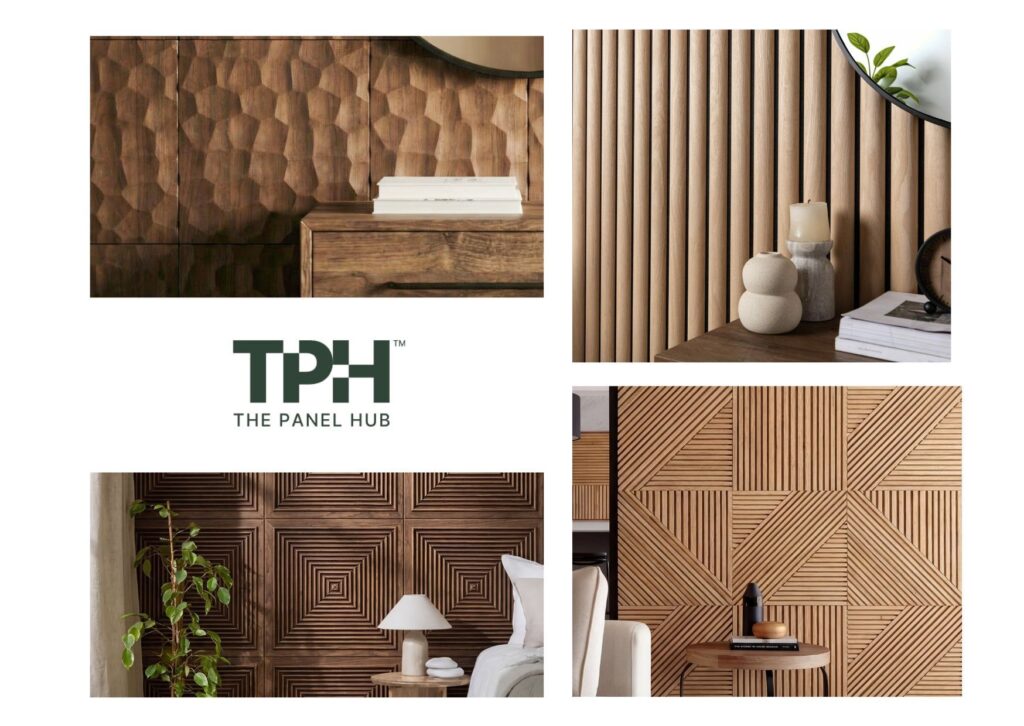
Identify What’s Not Working in Your Space
If your walls look flat or feel visually unfinished, it’s usually not a lack of decor—it’s a lack of dimensional texture. Paint alone rarely solves the problem because it changes color without creating depth or decorative wall panels rhythm. A room can also feel harsh or echo-prone, especially with smooth surfaces like bare drywall, tile, or glass. In those cases, you need both visual interest and functional comfort.
Another common issue is that walls are hard to style consistently across rooms. Traditional accent walls can be expensive, labor-intensive, and difficult to match when you remodel later. You may also find that furniture and lighting don’t “land” well because the backdrop doesn’t provide contrast or structure. The goal is to choose a solution that improves aesthetics while staying flexible for different layouts and use cases.
Choose Panels That Solve Both Style and Sound
Start by deciding what problem matters most: texture, acoustics, or both. When you select panels with sound-dampening acoustic wall panels properties, you can reduce echo and soften speech and footstep noise. That combination makes a space feel more intentional, especially in home offices, dining areas, and shared commercial environments.
Look for materials and designs that fit your setting. For example, slatted, ribbed, or layered patterns can create movement under different lighting angles, making a room feel more dynamic. Pairing panel placement with lighting—such as wall washing or pendant highlights—helps the texture read clearly from multiple viewing distances.
Installation planning can also prevent wasted effort. Measure the wall area carefully, account for outlets and vents, and decide whether you want full coverage or a focused feature zone. If you’re aiming for a cohesive look, consider repeating a pattern on adjacent walls to avoid visual “stops.” With the right selection, you can transform an entire room rather than just covering a patch of drywall.
Create a Practical Plan for Installation and Longevity
Begin with a problem-solution layout: choose the wall that creates the largest visual impact, then align panel lines with architectural features. Center patterns around focal points like artwork, fireplaces, or TV placements to keep the design balanced. For acoustic comfort, consider covering areas where sound tends to bounce, such as open walls opposite hard flooring. This is especially useful in hospitality spaces, studios, and conference rooms where clarity matters.
Next, prepare the surface and decide how you’ll manage edges and transitions. A clean, consistent substrate helps panels sit flat and look intentional. Use trim or boundary elements to conceal cut lines and protect corners, which also makes the finished look more refined. If you’re working around doors, baseboards, or built-ins, plan your cuts in advance so the pattern stays aligned and the overall surface appears continuous.
Maintenance should be part of the plan as well. Many panel finishes are designed to resist daily wear, so routine cleaning can be simple and quick. Avoid harsh chemicals that could dull the surface, and use a soft cloth or appropriate cleaner based on the panel material. When you treat your wall system as both a design element and a functional improvement, it will remain attractive while supporting comfort over time.
Conclusion
Upgrading your interior doesn’t have to mean replacing everything—often, the fastest fix is adding the right texture and performance to the walls. By targeting the root issues—flat visuals, echo, and inconsistent styling—you can create a space that looks better and feels more comfortable. With versatile, factory-direct options from thepanelhub.com, you can refresh residential and commercial areas using stylish solutions designed to elevate everyday living and working environments. They help establish depth, guide the eye, and support a calmer acoustic experience without sacrificing character. Choose a look that matches your architecture, plan installation carefully, and you’ll end up with walls that stay visually engaging and functionally helpful.