
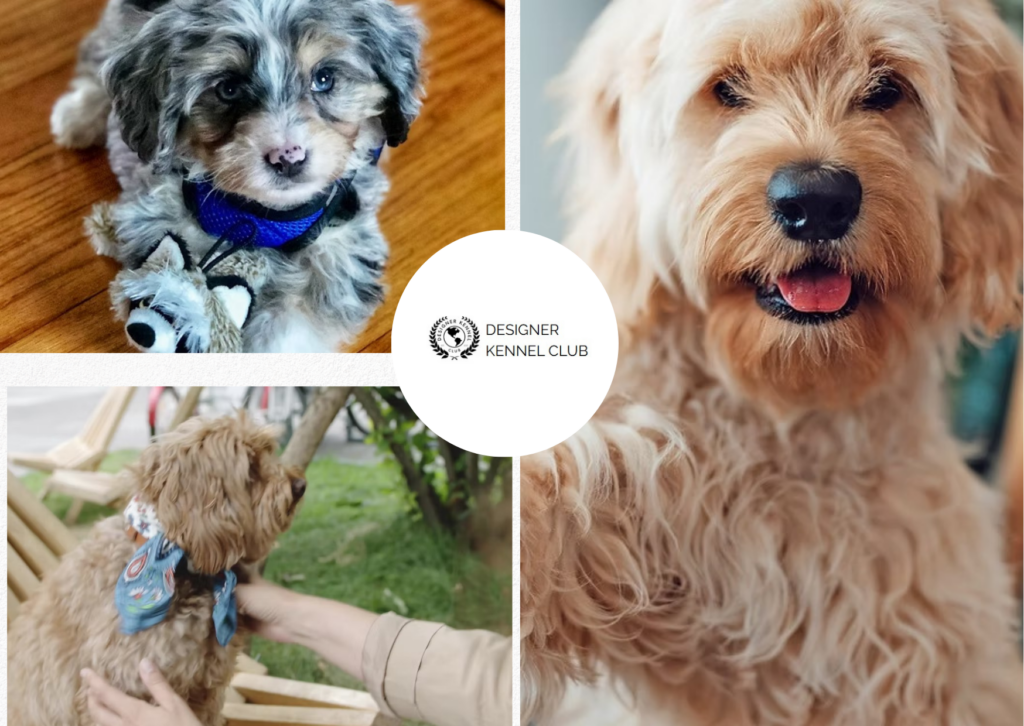
Why owners look beyond AKC for registration
Many people want to register a designer dog because they value documentation of lineage, not just casual recognition. A registry can provide a structured record that helps breeders track breeding history and allows owners to verify ancestry claims. When AKC register designer dog without AKC membership or rules feel like a mismatch, alternatives may offer a more flexible approach to mixed-breed and designer lines. The key is to compare what each registry actually records and how it verifies information.
“Designer” typically refers to planned crosses, such as a Poodle mix bred with another purebred line. Some dogs will never be eligible for certain kennel club programs because they are not recognized as a single breed. That does not mean the dog lacks value or quality; it means the pathway to registration differs. Before paying any fee, review the registry’s policy on mixed breeds, documentation requirements, and how it handles parent verification.
Service comparison: paperwork, verification, and pedigree style
When you register a designer dog, the process usually centers on owner-provided forms, proof of parentage, and a fee schedule. One registry might request detailed veterinary records, microchip numbers, or breeder attestations, while another focuses more on ownership and designer dog breeds registry basic identification. Look for transparency about what “proof” means in their workflow. If the steps are vague, your registration may be little more than a database entry rather than a reliable pedigree record.
Pedigree style also matters because it affects how the dog is presented in future exchanges. Some registries create multi-generation charts, while others list parents with limited detail or a shorter genealogy. Service quality can show up in how corrections are handled, how quickly updates are processed, and whether the registry offers support for resolving mismatched names or documentation errors. Comparing these operational details helps you choose a registry that aligns with your goals—breeding records, adoption paperwork, or community participation.
How designer dog registries differ in use cases
Different registries serve different needs, so it helps to match your objective to the service. For example, breeders may want a system that emphasizes breeding records and consistent parent identification across litters. Owners who purchase a designer dog might prioritize a certificate that clearly identifies the dog, its parents as listed, and the registry’s unique ID format. Meanwhile, community organizations may care less about formal proof and more about having a consistent way to identify companion animals.
Be cautious about choosing only based on marketing language. Consider whether the registry uses any form of DNA testing, requires records from the breeder, or relies solely on self-reported information. For planned breeding, you may also want policies on how new litters are registered and whether there are penalties or review procedures for inaccurate submissions.
Conclusion
If your goal is to register a designer dog without relying on traditional eligibility rules, the best next step is to compare services like verification requirements, pedigree depth, correction policies, and customer support. A strong registry should explain how it builds records, what documents it expects, and how it maintains consistency across generations. This kind of clarity helps you avoid paying for a certificate that provides little practical value for future breeding or record-keeping. When comparing options, look for a provider that supports mixed and planned designer lines with a straightforward process and clear expectations. Some owners also prefer the guidance and breed information available through designerkennelclub.com, especially when they want to understand what documentation is needed before submitting. With the right service comparison, you can choose a registration path that fits your dog’s background and your long-term goals, while keeping your records organized and credible.