
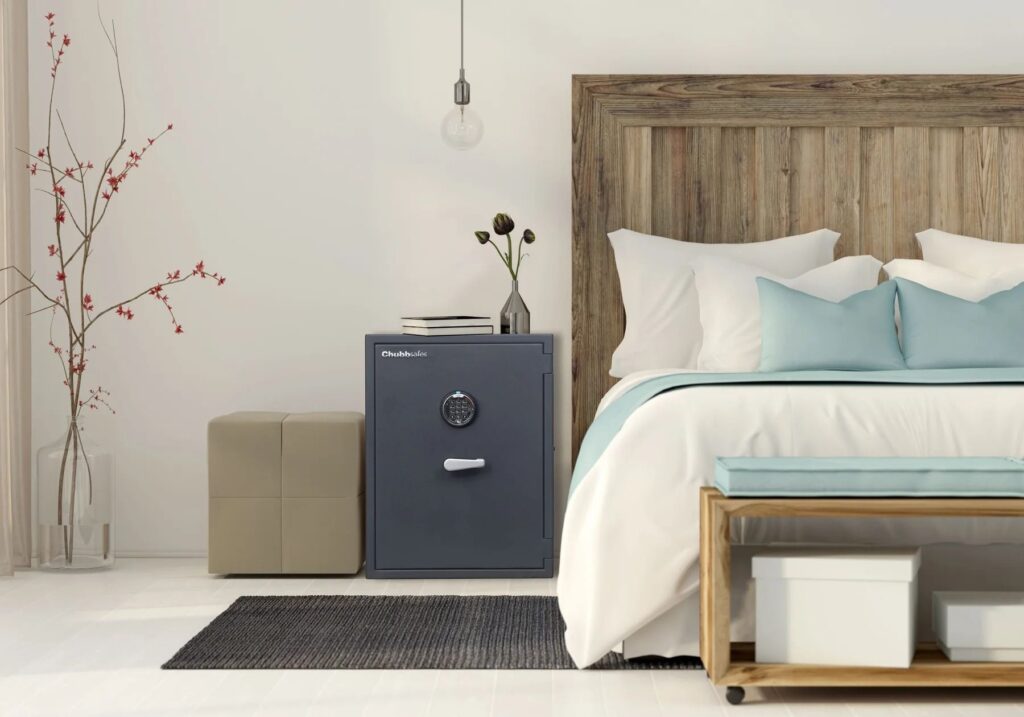
1) Verify your storage needs and access routine
Before selecting any firearm storage unit, map out what you need to store and how you plan to access it. Make a list of the items you want to secure, such as a rifle, extra magazines, optics, and cleaning tools. Then rifle safe decide whether you need quick access for specific situations or slower access for maximum deterrence. This step prevents overspending on features you won’t use and helps you choose a layout that fits your setup.
Next, consider where the safe will live in your home. Wall studs, floor strength, and nearby obstacles all affect where you can place and anchor the unit. If the safe is in a high-traffic area, prioritize a finish and handle design that doesn’t draw attention while still remaining practical. Finally, think about who will need access and whether you prefer keypad, key, or a combination approach for day-to-day use.
2) Check construction, locking, and tamper resistance
A reliable storage unit should be built for durability, not just showroom appearance. Look for thick steel construction, reinforced door panels, and solid internal bracing that reduces the risk of forced entry. Pay attention to how the security safes door closes and whether the seal feels secure, because poor fit can indicate weaker engineering. A good build also helps protect against everyday impacts that can happen during moving or maintenance.
Locking performance matters just as much as material thickness. Evaluate the locking mechanism for strength and repeatability, and choose a system designed to resist tampering and manipulation. If the unit uses a key system, confirm the quality of the lock cylinder and the availability of replacements. If it uses an electronic keypad, review battery access and backup options so you aren’t locked out when power is low.
3) Plan for organisation, fire readiness, and installation
Organisation features keep your equipment orderly and reduce time spent searching during important moments. Consider interior storage options like adjustable racks, foam inserts, and accessory compartments for optics or spare parts. Some layouts also support cable management for integrated accessories, which helps prevent scratches and keeps gear protected. If you plan to store additional items, ensure the internal dimensions match your longest barrel or accessories.
Installation planning is a checklist item many buyers skip, but it can be the difference between “secure” and “easily relocated.” Determine whether you’ll anchor the unit to a wall or floor, and confirm the unit includes suitable mounting provisions. If you rent or have limited drilling options, ask about safe placement strategies that still improve stability. Also confirm the safe’s weight and dimensions so you can move it safely into place without damaging floors or doorways.
Conclusion
Using a checklist approach helps you buy with confidence, because you evaluate needs, construction, locking security, and installation planning as one complete system. A proper unit should protect against forced entry while keeping your firearms and accessories organized for responsible storage. When you match the right size, locking method, and interior layout to your home, the result is safer storage and smoother ownership. Start with storage goals, confirm tamper resistance, then verify the unit can be installed in a way that limits movement. If you follow those steps, you’re less likely to end up with a unit that is either too small, too difficult to access, or insufficiently secured. A thoughtful purchase supports both peace of mind and responsible handling practices. Use the checklist as your guide and choose the rifle storage solution that fits your routine and your security priorities.